Most enterprises still rely on software older than the people who maintain it. These outdated systems keep the business running, but they quietly drain budgets, slow down innovation, and hinder every new AI initiative you try to launch.
That’s why AI legacy application modernization services have become a top priority for CIOs in 2026. Rather than manually rewriting millions of lines of code, teams now use AI to read, explain, refactor, test, and migrate legacy systems more quickly and with significantly less risk.
The pressure is real. McKinsey reports that CIOs divert 10-20% of their budget for new-product technology to address tech debt. This debt can grow to about 40% of a large enterprise’s technology assets. Every dollar spent on maintenance is a dollar that doesn’t contribute to growth.
![12 Best AI Legacy Application Modernization Services in 2026 [CIO's Guide]](https://wizr.ai/wp-content/uploads/2026/06/12-Best-AI-Legacy-Application-Modernization-Services-1024x683.webp)
This CIO’s guide lists the 12 best providers, how to evaluate them, and how to choose the right partner for your enterprise. Think of it as your AI legacy application modernization guide for 2026. We placed Wizr AI at number one and included 11 other strong options for comparison.
What Is AI Legacy Application Modernization?
AI legacy application modernization uses generative and agentic AI to transform outdated software into modern, cloud-ready systems. It may also be referred to as AI legacy app modernization services or AI-driven legacy system modernization services, but the goal is the same: reduce technical debt while keeping the business operational.
In simple terms, AI now performs tasks that once required large teams and months to complete. It scans old codebases, documents logic that few remember, suggests safer refactors, converts languages (like COBOL to Java), and generates tests, all while your engineers maintain control.
This approach differs significantly from the traditional “lift and shift” method. Older methods simply moved outdated code to the cloud. The AI-driven approach understands the code first and then improves it. Common techniques in AI-driven legacy application modernization include re-hosting, refactoring, and re-architecting, with AI conducting in-depth analysis at each step. The benefits of AI-driven legacy application modernization are clear: lower maintenance costs, faster delivery, and much less migration risk.
The momentum is hard to ignore. Gartner predicts that by 2028, 90% of enterprise software engineers will use AI code assistants, up from less than 14% in early 2024. Modernization is one of the main areas where this shift occurs.
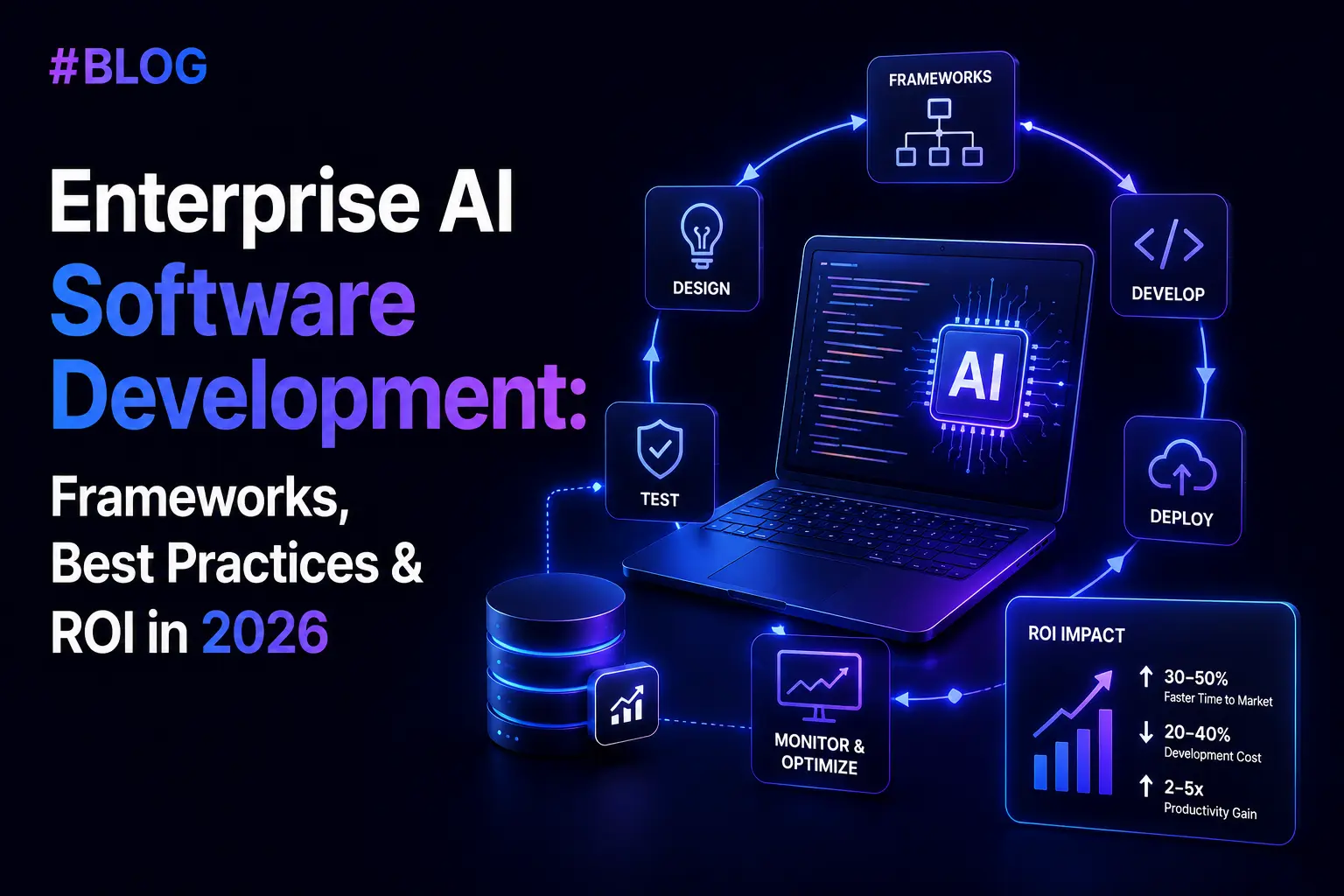
For a deeper understanding, Wizr’s guide on AI-driven legacy application modernization details how enterprises are speeding up delivery by around 40%.
How CIOs Evaluate AI Legacy Application Modernization Companies
Choosing a modernization partner is not just a matter of comparing prices. Smart CIOs assess capability, governance, and proof of delivery before signing contracts.
Here’s what matters most when comparing AI legacy application modernization solutions.
What Should CIOs Look for in a Provider?
- AI platform maturity. Does the provider have genuine AI tools for code analysis, refactoring, and migration, or is it just a basic wrapper around a public chatbot?
- Code and dependency intelligence. Can the AI identify hidden dependencies and maintain business logic, even when the original developers are no longer available?
- Cloud-native and integration depth. Solid skills in cloud migration, microservices, APIs, and DevOps are necessary, not optional.
- Governance and security. Enterprise-level controls, prompt governance, audit trails, and compliance must be integral to the service.
- Proven outcomes. Verifiable case studies and reference calls are far more reliable than polished marketing slogans.
- Engagement flexibility. Look for dedicated teams, staff augmentation, or full project delivery to match your needs.
Why Does Governance Matter So Much?
Speed without control only leads to more debt. AI can write a lot of code quickly, but unreviewed code becomes tomorrow’s legacy issue.
The best providers combine automation with human oversight and clear governance. Philip Walsh, Senior Principal Analyst at Gartner, puts it:
“Software engineering leaders must determine ROI and build a business case as they scale their rollouts of AI code assistants.”
Agentic AI heightens the stakes further. Gartner’s Daryl Plummer mentions that “as agentic AI matures, standardized protocols and frameworks will allow seamless interoperability, enabling agents to sense their environments, orchestrate projects, and support a wide range of business scenarios.” For modernization, this means AI can coordinate analysis, refactoring, and testing as a connected workflow, not just as isolated tasks.
Top 12 AI Legacy Application Modernization Companies in 2026
Here are the top AI legacy application modernization companies to consider this year. This is our ranked list of the best AI application modernization service providers, starting with our choice for the strongest end-to-end enterprise option.
1. Wizr AI
Wizr AI takes the top spot because it combines AI-powered engineering with an enterprise-level platform rather than just a single tool. This combination distinguishes the best AI application modernization service providers from simple code-conversion services.
Its enterprise digital engineering services refactor and re-platform legacy systems into cloud-native, containerized services. AI supports automated code refactoring, workload placement, and predictive cost management, while AI observability ensures zero-downtime releases. The outcome is modernization that doesn’t disrupt your overall roadmap.
The Glidepath AI SDLC accelerator stands out, speeding up the software lifecycle by 40-50% using enterprise-grade AI agents and centralized governance, giving AI the right enterprise context to maintain accuracy and consistency.
Its AI-powered legacy modernization ports code and modernizes platforms with up to 40% less effort than traditional approaches. Wizr also ships pre-built AI Assembly components and an agentic AI platform, so teams keep innovating long after the migration ends. Trusted by enterprises including Chrysler, Project44, and Fragomen, Wizr is also SOC 2 Type II, ISO 27001, and GDPR compliant.
- Best for: Enterprises that want AI-driven modernization plus a platform to keep building afterward.
- Key strengths: AI-guided refactoring, cloud-native migration, Glidepath SDLC acceleration, agentic workflows, and enterprise-grade governance and security.
2. Accenture
Accenture delivers legacy modernization at a global scale, combining AI, cloud, and deep industry expertise. It is one of the most established enterprise application modernization service providers, with delivery teams in almost every major market.
It is built for complex, multi-year transformation programs across regulated industries. If you need a single partner to run an estate-wide modernization across many regions, Accenture is a safe choice, though its premium pricing and heavier process can slow smaller projects.
- Best for: Large enterprises with complex, multi-year programs.
- Key strengths: Global scale, industry depth, and combined AI, cloud, and consulting services.
3. IBM
IBM focuses on incremental, low-risk modernization, especially for mainframe and COBOL environments. For many banks and insurers, it remains the default name in enterprise legacy software modernization services.
Its watsonx Code Assistant supports tasks like COBOL-to-Java conversion, and it blends AI with hybrid cloud. Enterprises with heavy mainframe footprints often shortlist IBM first, though the strongest value usually comes when you stay inside the IBM ecosystem.
- Best for: Mainframe-heavy enterprises that need careful, phased modernization.
- Key strengths: watsonx Code Assistant, COBOL modernization, and hybrid-cloud integration.
4. Cognizant
Cognizant brings AI-led modernization across cloud, data, and applications. It is a popular pick among the top AI legacy application modernization companies for organizations that want apps and data tackled together.
Its AI accelerators and platform-based delivery help large organizations cut technical debt while standardizing how they build software. It is a strong fit for enterprises already running broad digital transformation programs.
- Best for: Enterprises modernizing applications and data together at scale.
- Key strengths: AI accelerators, platform-based delivery, and end-to-end transformation.
5. Infosys
Infosys combines its Topaz AI capabilities with the Cobalt cloud portfolio to drive legacy-to-cloud modernization. The two work together as both modernization tooling and a migration framework.
It is known for structured assessment, automation, and predictable global delivery. Infosys works well for enterprises that value process maturity over experimentation.
- Best for: Global enterprises wanting structured, automation-led modernization.
- Key strengths: Topaz AI, Cobalt cloud, and disciplined delivery at scale.
6. Capgemini
Capgemini applies generative AI engineering and cloud migration across many industries. It is a solid option when an AI legacy application modernization strategy needs to sit inside a wider business change program.
Its real strength is breadth, with consulting, engineering, and managed services under one roof. That makes it useful when modernization is just one piece of a larger transformation.
- Best for: Enterprises bundling modernization with broader transformation.
- Key strengths: Generative AI engineering, cloud migration, and broad industry coverage.
7. TCS
TCS handles large-scale mainframe, ERP, and custom application modernization with mature, proprietary tooling. Its MasterCraft suite is among the better-known legacy application modernization tools for code analysis and migration.
Its global delivery model and engineering depth suit very large, complex estates. TCS is a common pick when reliability and scale matter most.
- Best for: Very large enterprises with sprawling legacy estates.
- Key strengths: Proprietary modernization tooling, mainframe and ERP expertise, and global scale.
8. EPAM Systems
EPAM takes an engineering-led approach, layering AI accelerators onto strong product and platform expertise. It appeals to teams that treat modernization as product work, not just a one-time migration.
It is a good fit when code quality, architecture, and developer experience matter as much as raw speed. EPAM often partners with product-focused enterprises.
- Best for: Product-driven enterprises that value engineering depth.
- Key strengths: Engineering quality, modern architecture, and AI-assisted development.
9. Opteamix
Opteamix embeds generative and agentic AI into modernization workflows to reduce technical debt and lift code quality. It positions itself among AI-driven legacy modernization services built for traceable, compliant delivery.
It emphasizes traceability, intelligent testing, and enterprise compliance throughout the process. Opteamix is a strong mid-market to enterprise option for AI-first modernization.
- Best for: Organizations wanting AI-first modernization with strong traceability.
- Key strengths: Generative and agentic AI workflows, intelligent testing, and compliance focus.
10. Hexaview Technologies
Hexaview applies AI-driven assessment frameworks to analyze legacy codebases and surface hidden dependencies. Its discovery-first method helps teams scope the work before they commit a budget.
Its six-dimensional, outcome-oriented model is backed by proprietary automation and engineering-led execution. It suits enterprises that want a structured, evidence-first path.
- Best for: Enterprises that want a deep assessment before they modernize.
- Key strengths: AI-driven codebase analysis, dependency mapping, and a structured methodology.
11. Corsac Technologies
Corsac brings 18+ years of experience and proprietary AI accelerators built for modernization workflows. That long track record matters most when nobody on staff fully understands the old system anymore.
It is known for automated dependency intelligence and code relationship analysis, which help de-risk complex migrations. Corsac fits enterprises wrestling with tangled, poorly documented systems.
- Best for: Enterprises with tightly coupled, undocumented systems.
- Key strengths: Dependency intelligence, code relationship analysis, and deep modernization experience.
12. Entrans
Entrans positions itself as an AI-first digital engineering partner. It leans on AI legacy systems modernization services that quantify technical debt before any code changes.
It starts with assessment, technical-debt scoring, and cloud-readiness checks, then re-architects monoliths into microservices and API-first designs. Entrans suits enterprises that want measurable ROI from day one.
- Best for: Enterprises wanting ROI-focused, AI-first re-architecture.
- Key strengths: Technical-debt scoring, microservices re-architecture, and API-first design.
AI Legacy Application Modernization Companies Comparison Table
Use this quick comparison to shortlist providers based on fit, then validate your top two or three with a pilot. Enterprises with sprawling estates may specifically need enterprise multi-application modernization service providers that can modernize many systems at once.
| # | Provider | Best For | Standout AI Capability |
| 1 | Wizr AI | End-to-end modernization + platform | AI-guided refactoring + Glidepath SDLC accelerator |
| 2 | Accenture | Complex multi-year programs | Enterprise-scale AI + cloud delivery |
| 3 | IBM | Mainframe / COBOL estates | watsonx Code Assistant, low-risk migration |
| 4 | Cognizant | Apps + data together | AI-led, platform-based modernization |
| 5 | Infosys | Structured global delivery | Topaz AI + Cobalt cloud |
| 6 | Capgemini | Modernization + transformation | Generative AI engineering |
| 7 | TCS | Very large legacy estates | Mature proprietary modernization tooling |
| 8 | EPAM | Product-driven engineering | AI accelerators + architecture depth |
| 9 | Opteamix | AI-first, traceable delivery | Generative + agentic AI workflows |
| 10 | Hexaview | Deep assessment first | AI-driven codebase analysis |
| 11 | Corsac | Tangled, undocumented systems | Dependency intelligence + code mapping |
| 12 | Entrans | ROI-focused re-architecture | Technical-debt scoring + API-first design |
How to Choose the Right AI Legacy Modernization Company
The best AI legacy application modernization strategies start by matching the provider to your estate, your risk tolerance, and your roadmap. Here are simple, step-by-step AI legacy application modernization best practices to help you decide.
- Map your starting point. List your most critical legacy systems, their tech debt, and their cloud readiness. You cannot modernize what you have not measured.
- Define the outcome. Decide whether you are re-hosting, refactoring, or fully re-architecting. Your goal narrows the shortlist quickly.
- Test the AI, not the pitch. Ask each vendor to run a small assessment on a real or sample codebase, then show exactly how their AI maps dependencies and proposes fixes.
- Check governance early. Confirm security, compliance, audit trails, and prompt governance are built in, not bolted on later.
- Demand proof. Review case studies and talk to references with systems similar to yours.
- Plan for the future. The best modernization leaves you with a platform to keep building on, not a one-time project that ages just as fast.
What Is the Biggest Mistake CIOs Make?
The most common mistake is chasing speed without a plan for quality. AI can generate code fast, but unchecked output simply becomes new technical debt.
Before you commit, Wizr’s take on why most enterprise AI apps fail is a useful reality check, and our guide on how to evaluate AI software development services walks through vendor selection in more detail.
How Wizr AI Accelerates Legacy Application Modernization for Enterprises
Wizr AI is built for one outcome: modernizing legacy systems without slowing the business down.
Instead of selling a single tool, Wizr combines AI-powered product engineering with a secure, modular platform. AI-guided refactoring evolves your aging codebase, while cloud-native migration and automated workload placement reduce both risk and cost. AI observability then helps your teams ship zero-downtime releases.
The Glidepath AI SDLC accelerator delivers code 40-50% faster by feeding AI engineering tools real enterprise context, so accuracy and consistency stay intact. Centralized prompt governance keeps everything auditable, which is exactly what regulated enterprises need.
That focus on production matters. Wizr reports a 90% conversion rate from pilots to production, which is exactly where many enterprise AI efforts stall.
Once the migration is done, the work does not stop. Pre-built AI Assembly components and agentic workflows let your teams keep building new features, AI agents, and custom AI applications on the same foundation. You modernize once, then keep moving.
Put simply, Wizr turns modernization from a painful one-off project into a continuous engine for delivery. To see how it maps to your estate, explore Wizr’s case studies or get in touch for a tailored assessment.
The enterprises that win in 2026 will not be the ones with the flashiest models. They will be the ones who picked the right AI legacy application modernization services and rebuilt the systems underneath, so AI finally has solid ground to stand on.
FAQs
1. What is AI legacy application modernization?
AI legacy application modernization is the use of generative and agentic AI to turn outdated software into modern, cloud-ready systems. Instead of large teams rewriting code by hand over many months, AI reads the old codebase, explains it, refactors it, and helps migrate it.
The shift is happening fast. Gartner expects 90% of enterprise software engineers to use AI code assistants by 2028, up from under 14% in early 2024, and modernization is one of the biggest use cases.
Wizr AI sits right at the center of this change. Its AI-powered engineering and Glidepath AI SDLC accelerator help enterprises modernize legacy systems while keeping full governance and control.
2. What are the main benefits of AI-driven legacy modernization Companies?
The biggest win is reclaiming the money and time stuck in old systems. McKinsey notes that tech debt can swell to roughly 40% of a large enterprise’s technology estate, so freeing even part of that makes a real difference.
Here are the core AI-driven legacy application modernization benefits:
- Lower cost: Less manual effort and reduced maintenance spend.
- Faster delivery: AI handles analysis, refactoring, and testing in parallel.
- Lower risk: Hidden dependencies get mapped before anything breaks.
- AI readiness: Clean, modern systems give new AI tools solid ground to run on.
Wizr AI delivers these benefits in practice, modernizing platforms with up to 40% less effort than traditional approaches, so teams can shift from maintenance mode back to building.
3. How long do AI legacy modernization services take?
It depends on the size and tangle of your estate, but AI shortens the timeline at every step. The slowest parts of modernization, like understanding old code and writing tests, are exactly where AI adds the most speed.
As a rough benchmark, AI-assisted delivery often runs around 40% faster than manual approaches. A focused pilot on one critical system is usually the smartest way to gauge your own timeline before scaling.
This is where Wizr AI stands out. Its Glidepath AI SDLC accelerator speeds up the software lifecycle by up to 40-50%, and 90% of its pilots convert into production, which is exactly where many modernization projects tend to stall.
4. How do I choose the right AI legacy application modernization company?
Start by matching the provider to your systems, your risk tolerance, and your roadmap, not just their sales pitch. The best AI legacy application modernization strategies begin with a clear assessment of what you actually have.
A few simple best practices help you compare the top AI legacy application modernization companies:
- Test the AI on real code, not just a polished demo.
- Check governance and security before anything else.
- Ask for proof, such as case studies and references.
- Plan for life after migration, not only the migration itself.
Wizr AI is built for that long view. Beyond modernization, it gives enterprises an agentic AI platform and pre-built components to keep launching new features and custom AI applications on the same foundation.
5. Are AI legacy modernization services secure for regulated enterprises?
They can be, but only when security and governance are built in, not bolted on later. For banks, insurers, and healthcare firms, every AI-assisted code change needs audit trails, access controls, and compliance from day one.
This is a common concern, since unreviewed AI output can quietly create new risk. The safest providers pair automation with human oversight and clear prompt governance.
Wizr AI takes this seriously. It is SOC 2 Type II, ISO 27001, and GDPR compliant, with centralized prompt governance, making it a strong fit for regulated enterprises modernizing critical legacy systems.
About Wizr AI
Wizr AI helps enterprises build autonomous enterprises and accelerate product and software engineering with practical, production-ready AI. We help organizations automate business workflows, modernize legacy applications and digital platforms, and build intelligent AI solutions.
Our core services include Enterprise AI Services, AI-Powered Engineering & Legacy Modernization, AI Product Engineering, and AI Governance. We also leverage AI Assembly capabilities, including the Agentic AI Framework, Agentic Workflows, Security, and Integrations.
Through our AI solutions, including AI Agents, Pharma & Life Sciences AI, Oracle AI, and Salesforce AI, we help enterprises apply AI across business and technology needs.
See how we can help your enterprise move faster with AI. 👉 Talk to an AI Expert.

![15 Best AI Chatbot Development Companies in the USA [2026 Buyer's Guide]](https://wizr.ai/wp-content/uploads/2026/06/Best-AI-chatbot-development-companies.webp)
![12 Best AI Agent Development Companies in the USA: A CIO's Guide [2026]](https://wizr.ai/wp-content/uploads/2026/07/12-Best-AI-Agent-Development-Companies.webp)
![Custom AI development vs Off-the-Shelf AI: An Enterprise Decision Framework [2026]](https://wizr.ai/wp-content/uploads/2026/08/Custom-AI-vs-Off-the-Shelf-AI.webp)


![Security and Compliance for Enterprise AI Implementation: A Practical Guide [2026]](https://wizr.ai/wp-content/uploads/2026/07/Security-and-Compliance-for-Enterprise-AI.webp)