In 2026, businesses are in the process of changing their operational methods by leveraging the potential that AI Workflow Builders provide. These new tools, which have artificial intelligence integrated into AI Workflow Automation, help firms optimize their processes, leading to reduced inefficiencies and enhanced productivity levels. Companies are now using robotics to carry out repetitive tasks while ensuring that more complex operations are dealt with in a simpler manner. This allows them to concentrate on other important areas, such as strategic initiatives or innovation. For instance, through Business Process Automation (BPA), which involves applications such as Generative AI Workflow Automation and No Code Workflow Builders being used in the marketplace today, these tools are becoming increasingly common. Many organizations have started embracing these technologies as a means of enhancing their competitive edge in the industry. This blog looks at how AI Workflow Builders are shaping the future of robotics and business today.
Still stitching together scattered workflows? An AI workflow builder brings all your business processes under one intelligent roof – automating tasks, improving accuracy, and scaling operations.
This blog shows how AI-driven builders simplify automation across CX, IT, and support, without relying on dev-heavy setups.
If you’re ready to build smarter workflows and reduce manual friction, this one’s for you. Read the full post to see how Wizr helps make it happen.
What is an AI Workflow Builder?
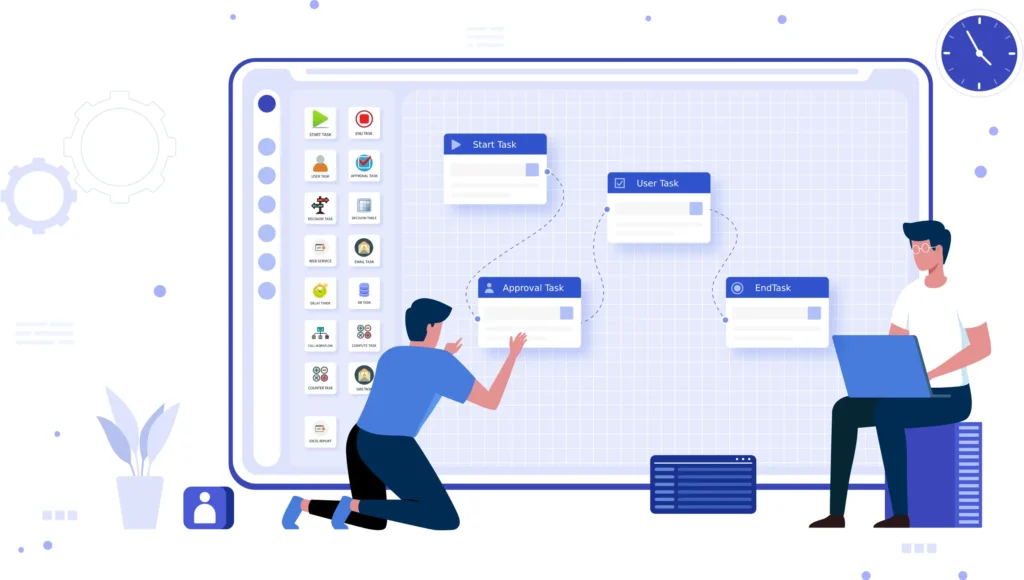
An AI Workflow Builder is a powerful tool designed to apply artificial intelligence to automate, improve, or manage workflows within an organization. It simplifies workflow creation through user-friendly, mostly no-code interfaces, allowing both developers and non-specialists to use it effectively. This AI Workflow Builder Software leverages algorithms that analyze industry operations, identifying areas of congestion and proposing more efficient solutions, ultimately leading to enhanced performance. AI Workflow Builders integrate seamlessly with existing applications, providing prompt suggestions and performing automatic functions, enabling companies to adapt quickly to changes in their environment.
As AI adoption accelerates, IDC predicts that global spending on AI-powered process automation will reach $143 billion by 2026, driven by the need for speed and efficiency. Modern AI workflow builders reduce manual effort, shorten deployment cycles, and improve scalability across departments. This shift is empowering both IT teams and business users to build and deploy intelligent workflows without heavy developer involvement.

Key Benefits of AI Workflow Builders for Business Process Automation
Revolutionizing business process automation approaches by providing performance, accuracy, and scalability is how AI Workflow Builders operate. These tools help enhance responsiveness to market demands and streamline development operations, making them indispensable to modern companies. Here are some of the key advantages:
Increased Efficiency:
AI-based workflow builders manage continuous activities by performing repetitive functions. As a result, there is less need for human intervention, allowing manpower to be deployed in areas where its skills would yield higher returns. This is a key benefit of AI Workflow Automation and AI Process Optimization.
Cost Reduction:
Through automated processes, errors and operational inefficiencies in workflows are minimized, leading to a significant reduction in costs over time. This allows companies to invest capital in more efficient ways that drive growth through AI Workflow Automation Tools and AI Workflow Optimization.
Enhanced Precision:
By eliminating human errors in task execution, AI-driven tools ensure greater accuracy. This is particularly essential in industries that require strict standards and accurate data provision. AI Workflow Management plays a crucial role in maintaining this precision.
Scalability:
Seamless scaling of business activities is made possible by AI Workflow Builders. In situations where companies handle increased volumes of work or decide to enter new markets, these tools can adjust to meet the varying needs, showcasing the adaptability of AI Workflow Automation Tools for Business Automation.
Real-Time Insights:
AI-powered workflow builders come with built-in analytics that offer actionable insights into process performance. This data-driven feedback aids decision-making, fostering continuous improvement through AI Workflow Automation Tool and AI Workflow Management Tool.
Accessibility:
Many AI-driven workflow builders offer No Code Workflow Builder platforms, enabling staff who are not technically skilled to create workflows independently. This promotes innovation across teams and departments, providing a user-friendly solution for AI Workflow Automation for Business Process Automation.
Adaptability:
These tools can be trained and modified over time to meet evolving business requirements through Generative AI Process Optimization, ensuring that businesses can continuously optimize their workflows with AI Workflow Optimization for Business Process Automation.
How AI Workflow Builders Are Transforming Workflow Management
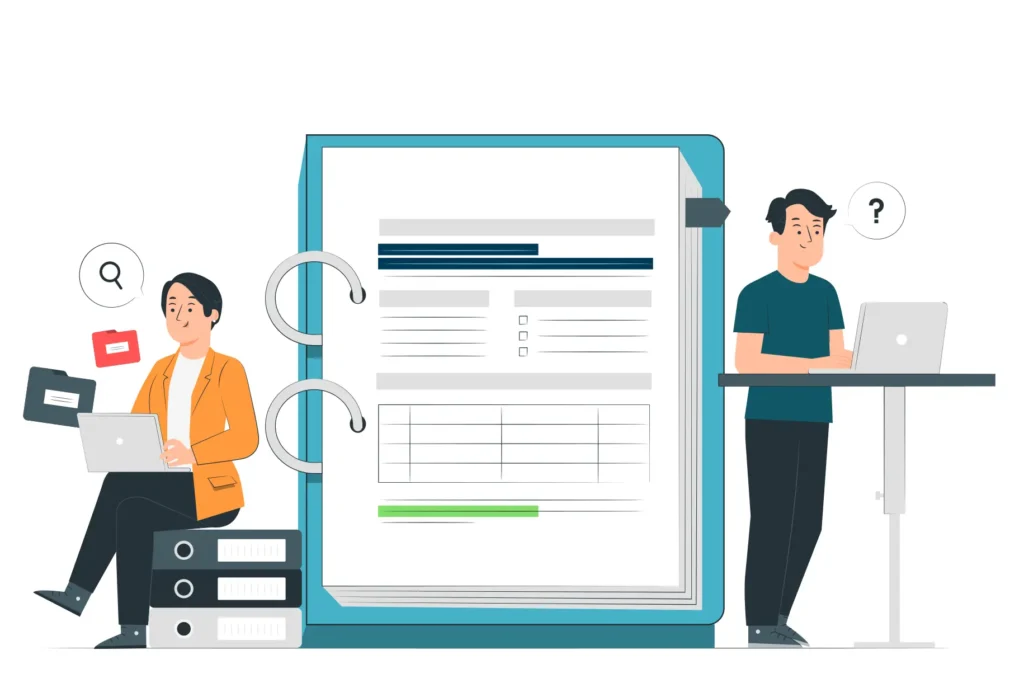
AI workflow builders are redefining AI Workflow Management by bringing intelligence and flexibility into traditional processes. These tools utilize advanced algorithms and machine learning models that can instantly understand, analyze, and optimize workflows. They also assist in anticipating challenges and making proactive decisions through AI Workflow Automation and predictive analytics, preventing potential issues before they negatively impact an organization.
Additionally, these AI Workflow Builders enable collaboration across various functional departments by integrating with multiple tools and platforms. This creates a unified system that manages tasks and processes throughout the organization. By ensuring clarity at all times and opening communication channels, team members, even those not directly involved in a project, can contribute their expertise to develop solutions that benefit everyone. Automated notifications, smart task delegation, and performance monitoring features help ensure that workflows align with the organization’s objectives.
As a result, AI Workflow Builders are not just about reducing human labor but also serve as valuable components in streamlining operational processes, paving the way for innovation in AI Workflow Automation.
Essential Features of AI Workflow Builder Software for Business Process Automation
The effectiveness of an AI Workflow Builder is largely dependent on its features. Below are a few key requirements that explain why these tools are necessary for the AI Workflow Automation of Business Process Automation (BPA):
- No-Code or Low-Code Platforms: Interfaces that are simple enough for users without programming knowledge, enabling them to design workflows without needing expertise in programming languages. No Code Workflow Builder platforms empower non-technical staff to easily build AI Workflow Automation Tools for Business Process Automation.
- AI-Powered Analytics: These tools allow users to analyze AI Workflow Optimization performance data in real-time, identify bottlenecks, and provide recommendations for improvements. AI Process Optimization for Business Automation is crucial to achieving efficient and scalable business operations.
- Seamless Integration: These tools should be able to exchange information smoothly with other software, such as CRMs and ERPs, ensuring the seamless flow of data across company units. AI Workflow Management Tools ensure that business processes are optimized and aligned with organizational goals.
- Customizable Templates: Pre-designed workflow patterns that can be easily modified to meet specific corporate objectives, minimizing wasted time and resources in configuration. AI Workflow Automation Examples offer practical templates that demonstrate how different industries can leverage Generative AI Workflow Automation.
- Automation of Routine Tasks: Features that help automate repetitive tasks, such as data entry or email sending, thereby increasing productivity without manual intervention. AI Workflow Automation Tools for Business Automation ensure that routine tasks are streamlined, leaving human workers to focus on higher-value activities.
- Predictive Insights: AI-driven models predict potential issues and suggest actions to prevent disruptions in the workflow. This AI Workflow Management for Business Automation ensures that businesses stay ahead of potential operational challenges and remain agile.
- Scalability: The ability to handle larger workloads while remaining efficient as business needs evolve, without compromising operational speed. A Best AI Workflow Automation Tool must be scalable to accommodate growing business demands, offering the flexibility to adapt to changing requirements.
- Security and Compliance: Robust mechanisms that prevent unauthorized access to confidential information and ensure compliance with industry standards for data protection. AI Workflow Builder Software should adhere to the highest standards of Security and Compliance, ensuring that business operations remain secure and meet industry regulations.
Overcoming Challenges in Implementing AI Workflow Automation Tools
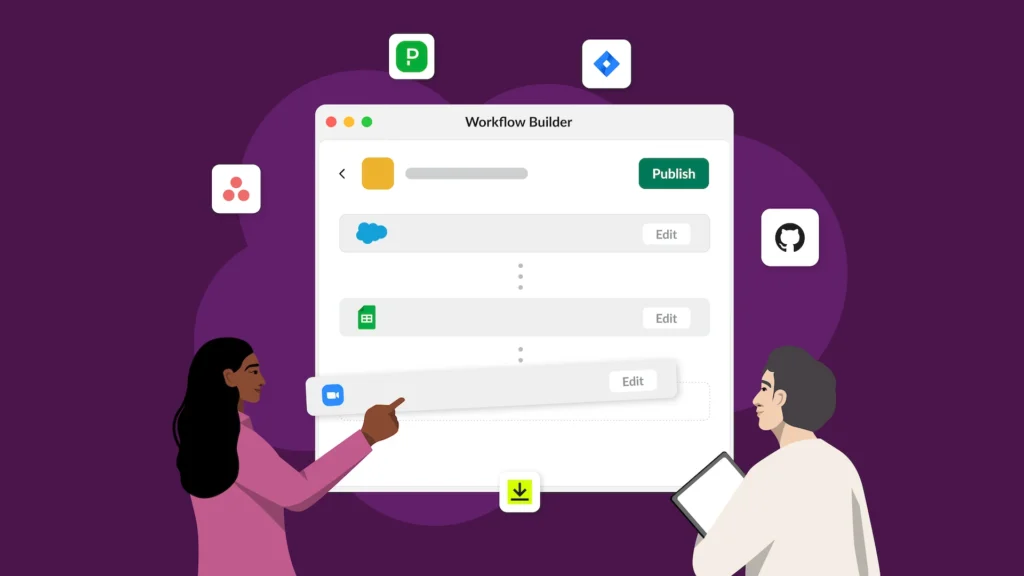
Even though AI workflow automation tools offer various advantages, their implementation comes with several challenges. Effectively addressing these obstacles enables successful adoption and increased ROI.
Resistance to Change
When faced with new technologies, employees may resist due to fears of disruptions to their work or concerns about job security. Therefore, clear communication about automation intentions and its benefits is essential. Offering workshops and training sessions, along with involving employees directly in the integration plan, can foster a sense of ownership, making the transition easier. Emphasizing how AI workflow management tools enhance productivity and simplify work should build trust among employees, making them more enthusiastic about these improvements.
Integration with Legacy Systems
Many organizations struggle to integrate AI workflow builders into outdated systems that were not designed for modern tools. This can lead to inefficiencies and disruptions in business operations. To address this, companies should select tools with robust APIs and those that support seamless integrations to accommodate hybrid infrastructures. Conducting a thorough assessment of existing systems and collaborating with suppliers to develop a customized integration plan may help bridge compatibility gaps.
Organizations facing these challenges often adopt AI-powered legacy modernization approaches to connect legacy environments with modern AI platforms, improve interoperability, and accelerate digital transformation initiatives.
Data Privacy and Security
Managing sensitive company data requires strict security measures to protect against leaks and ensure compliance with regulations such as the General Data Protection Regulation (GDPR) or the Health Insurance Portability and Accountability Act (HIPAA). Advanced encryption systems, role-based access controls, and regular software patches are recommended to prevent breaches and build client confidence.
Initial Costs
The upfront cost of acquiring AI workflow software can be high, which may discourage small-scale companies from considering such investments. However, businesses should view them as long-term investments. Cloud-based options or pay-as-you-go models can help reduce capital expenditures, easing financial strain. This approach allows organizations to realize both specific technological benefits and cost savings, thereby building a strong, supportive base of stakeholders.
Complexity in Implementation
Implementing AI-driven workflows can be complex due to the multiple processes involved in selecting and configuring appropriate tools. However, businesses can simplify this process with the help of experienced vendors, consultants, or implementers. Alternatively, selecting solutions with pre-built templates and comprehensive documentation can also facilitate easier management.
Customization Challenges
Finding tools that meet the unique needs of a business can be difficult. Therefore, it is important to select solutions with flexible customization options, such as modifiable workflows or dynamic integrations specific to particular fields. Another effective approach is collaborating with software providers who can tailor the solution to the organization’s needs, involving key stakeholders in the design process.
Why Wizr AI Workflow Builder Solutions Are Critical for Optimization in 2026
Even though AI workflow automation tools offer various advantages, their implementation comes with several challenges. Effectively addressing these obstacles enables successful adoption and increased ROI. Utilizing innovative solutions like Wizr AI’s Enterprise AI Services and agentic workflow capabilities can help organizations overcome these barriers, streamline processes, and maximize the value of automation.
Resistance to Change
When faced with new technologies, employees may resist due to fears of disruptions to their work or concerns about job security. Therefore, clear communication about automation intentions and its benefits is essential. Offering workshops and training sessions, along with involving employees directly in the integration plan, can foster a sense of ownership, making the transition easier. Emphasizing how AI tools enhance productivity and simplify work should build trust among employees, making them more enthusiastic about these improvements.
Integration with Legacy Systems
Many organizations struggle to integrate AI workflow builders into outdated systems that were not designed for modern tools. This can lead to inefficiencies and disruptions in business operations. To address this, companies should select tools with robust APIs and those that support seamless integrations to accommodate hybrid infrastructures. Conducting a thorough assessment of existing systems and collaborating with suppliers to develop a customized integration plan may help bridge compatibility gaps.
Data Privacy and Security
Managing sensitive company data requires strict security measures to protect against leaks and ensure compliance with regulations such as the General Data Protection Regulation (GDPR) or the Health Insurance Portability and Accountability Act (HIPAA). Advanced encryption systems, role-based access controls, and regular software patches are recommended to prevent breaches and build client confidence.
Initial Costs
The upfront cost of acquiring AI workflow builder software can be high, which may discourage small-scale companies from considering such investments. However, businesses should view them as long-term investments. Cloud-based options or pay-as-you-go models can help reduce capital expenditures, easing financial strain. This approach allows organizations to realize both specific technological benefits and cost savings, thereby building a strong, supportive base of stakeholders.
Complexity in Implementation
Implementing AI-driven workflows can be complex due to the multiple processes involved in selecting and configuring appropriate tools. However, businesses can simplify this process with the help of experienced vendors, consultants, or implementers. Alternatively, selecting solutions with pre-built templates and comprehensive documentation can also facilitate easier management.
Scalability Concerns
As companies grow, their workflow automation needs increase. It is crucial to choose scalable solutions that can accommodate higher workloads and new processes for teams of varying sizes, ensuring continuity and minimizing the need for frequent, costly software replacements.
Lack of Skilled Personnel
Successfully implementing AI-driven workflows often requires personnel with expertise in the technology and its applications. Companies should invest in upskilling current employees through training programs or AI and workflow automation certifications. For businesses that cannot afford such programs, hiring experts or forming partnerships with external agencies can help build internal capacity over time.
Customization Challenges
Finding tools that meet the unique needs of a business can be difficult. Therefore, it is important to select solutions with flexible customization options, such as modifiable workflows or dynamic integrations specific to particular fields. Another effective approach is collaborating with software providers who can tailor the solution to the organization’s needs, involving key stakeholders in the design process.
Conclusion: The Future of AI Workflow Builders for Business Process Automation
Today, AI Workflow Builders have become more of a need than a luxury in the competitive business world. By 2026, these tools will redefine Business Process Automation (BPA) by simplifying processes, increasing efficiency, and promoting innovation. In striving for maximum productivity, as well as scaling like never before, organizations need to address the general challenges they face during implementation by using enterprise AI services and agentic workflow automation solutions such as those delivered by Wizr AI. Wizr AI helps organizations implement intelligent workflows and automate business operations while adapting to the evolving digital landscape. Tomorrow’s business will be significantly driven by Generative AI Workflow Automation, prompting companies to soar higher. To explore more about this powerful AI automation approach, Contact Wizr AI for Enterprise AI Application Development.
FAQs
1. What is an AI workflow builder and how does it work?
An AI workflow builder is a tool that lets businesses automate processes without coding. It uses drag-and-drop logic, AI-powered decision-making, and integrations to connect tasks, data, and people in one place.
By learning from data and adapting in real time, it helps teams streamline workflows while reducing manual effort. With Wizr AI’s agentic workflow capabilities, enterprises can design, orchestrate, and deploy intelligent automation faster, supported by enterprise-grade integrations and AI services.
2. What are the benefits of using AI workflow builder software?
AI workflow builders bring clear advantages:
- Automate repetitive tasks and free up teams
- Improve accuracy and consistency in operations
- Speed up decision-making with AI insights
- Scale workflows across departments easily
For enterprises, these benefits translate into lower costs and faster service. Wizr AI enables automation across customer support, IT service management, and finance workflows with built-in governance, security, and enterprise integrations.
3. How is an AI workflow builder different from traditional automation tools?
The difference lies in intelligence. Traditional tools rely on fixed rules, while AI workflow builders adapt to changing data, make context-aware decisions, and learn over time.
This means enterprises can go beyond static automation to achieve smarter, outcome-driven workflows. Wizr AI’s agentic workflows leverage AI agents that can reason, act, and coordinate across systems, keeping processes agile and production-ready.
4. What are common use cases for an AI-powered workflow builder in business?
AI workflow builders can be applied across departments, such as:
- Customer support: auto-resolving tickets and deflecting queries
- HR: speeding up onboarding and resolving employee requests
- IT: managing incidents and automating approvals
- Operations: streamlining supply chain and predictive maintenance
With Wizr AI, enterprises can orchestrate multi-step, multi-agent workflows across business functions, enabling end-to-end automation at scale.
5. How do AI-driven workflow builders improve HR ticket resolution rates?
AI workflow builders reduce HR backlog by automatically classifying requests, routing them to the right agent, and suggesting instant responses. They also provide self-service options to employees, cutting resolution time significantly.
Wizr AI enables similar automation patterns across enterprise support functions, helping teams resolve requests faster, improve experiences, and focus on higher-value work.
6. Which tools allow business users to automate CX workflows without coding?
Low-code/no-code AI workflow builder solutions enable non-technical users to create customer experience workflows with drag-and-drop simplicity. These tools integrate with CRM, support platforms, and knowledge bases.
Wizr AI enables enterprises to build and deploy AI-powered customer support workflows using configurable AI agents and agentic workflows without heavy coding while ensuring enterprise-grade governance.
7. Is AI workflow builder software suitable for enterprises in 2026?
Yes. In 2026, enterprises face rising complexity and demand for faster service. An AI workflow builder solution helps scale automation across CX, HR, IT, and finance with minimal IT lift.
Wizr AI delivers enterprise-grade, secure, and scalable agentic workflow automation, supported by Enterprise AI Services and AI Assembly capabilities to help organizations move from pilot to production successfully.
About Wizr AI
Wizr AI helps enterprises build autonomous enterprises and accelerate product and software engineering with practical, production-ready AI. We help organizations automate business workflows, modernize legacy applications and digital platforms, and build intelligent AI solutions.
Our core services include Enterprise AI Services, AI-Powered Engineering & Legacy Modernization, AI Product Engineering, and AI Governance. We also leverage AI Assembly capabilities, including the Agentic AI Framework, Agentic Workflows, Security, and Integrations.
Through our AI solutions, including AI Agents, Pharma & Life Sciences AI, Oracle AI, and Salesforce AI, we help enterprises apply AI across business and technology needs.
See how we can help your enterprise move faster with AI. 👉 Talk to an AI Expert.


![Agentic AI vs AI Agents: Key Differences Every CIO Must Know [2025 Guide]](https://wizr.ai/wp-content/uploads/2025/07/Agentic-AI-vs-AI-Agents.webp)
![Agentic AI vs Traditional Automation: Why Enterprises Shift for Better CX [2025]](https://wizr.ai/wp-content/uploads/2025/06/Agentic-AI-vs-Traditional-Automation.webp)


![11 Real-World AI Agents Examples + Use Cases for Enterprises [2025]](https://wizr.ai/wp-content/uploads/2025/05/AI-Agents-Examples-Use-Cases.webp)