Voice call sentiment analysis is transforming how contact centers operate by providing deeper insights into the emotions and interactions of customers. In today’s customer-centric environment, understanding the sentiment in voice calls is critical for tailoring responses to meet customer expectations. This approach not only helps increase customer satisfaction but also fosters long-term relationships.
By leveraging AI voice call sentiment analysis in contact centers, organizations can use real-time voice call sentiment analysis to analyze conversations and detect emotions on the spot. With the help of voice call sentiment analysis tools and voice analytics software in contact centers, businesses can make informed decisions to enhance operational efficiency. This innovative method reduces wait times and improves service quality, allowing management to stay ahead of potential issues, which leads to more personalized and effective customer support.
Voice call sentiment analysis is changing the game for contact centers – helping teams detect customer emotions in real time and respond faster, smarter, and with empathy.
From boosting agent performance to preventing escalations, this blog dives into how AI turns voice tone and emotion into actionable CX insights.
Want to unlock better service outcomes with every call? Read the full post to explore tools, benefits, and use cases.
What is Voice Call Sentiment Analysis?
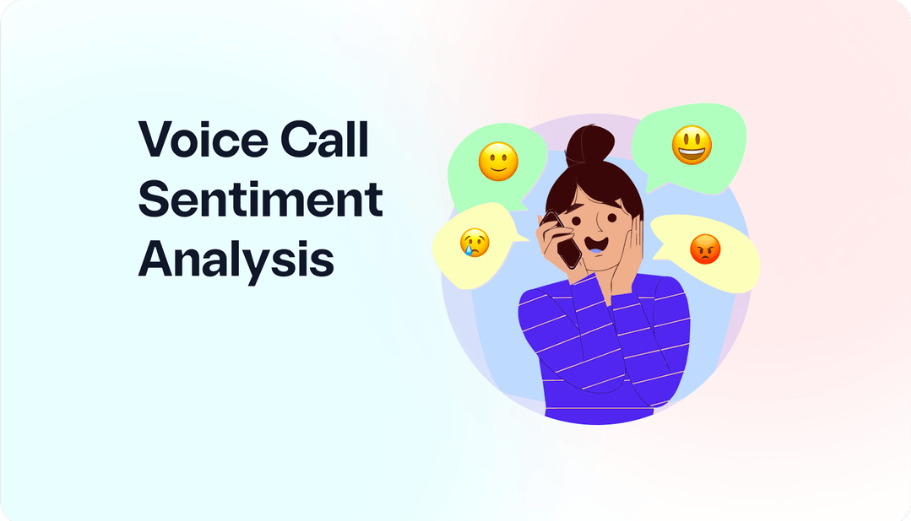
Voice call sentiment analysis is an AI-powered technique that detects and interprets customer emotions during phone conversations by analyzing tone, pitch, and speech patterns. It helps businesses understand caller sentiment in real time, enabling quicker, more empathetic responses and improving overall contact center performance.
Voice call sentiment analysis involves assessing the emotions conveyed during a voice call. This technology uses AI algorithms to evaluate tone, pitch, and speech patterns to detect emotional states. By utilizing call center voice analytics software, companies can assess whether customers are satisfied, frustrated, or indifferent, gaining valuable insight to better respond to their needs.
Key components of automated voice call sentiment analysis include sentiment detection in voice calls, which allows businesses to monitor customer interactions and assess their emotional states. With the right voice call sentiment analysis software, businesses can interpret complex emotions and improve customer experience in real-time. Explore more about AI call summary software for contact centers to streamline your support operations.
A Salesforce report states that 68% of service teams now use AI tools like sentiment analysis to improve response quality and customer satisfaction. Companies using real-time sentiment insights report up to 30% improvement in first-call resolution and 25% reduction in escalations. This makes sentiment analysis critical to delivering personalized, emotionally intelligent support at scale.
Key features of voice call mood analysis include:
- Real-time voice call sentiment analysis: Detects customer sentiment in real-time, enabling immediate response to issues as they arise in the conversation.
- Speech pattern recognition: Identifies changes in tone, pauses, and speed, helping to gauge emotions more accurately through speech sentiment analysis for customer service.
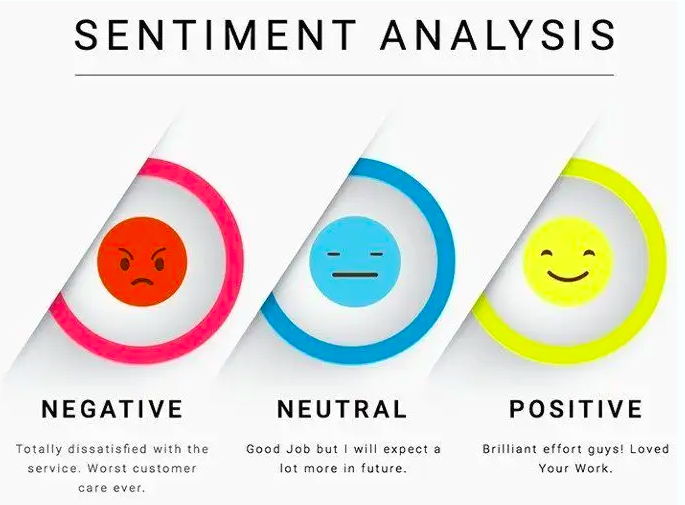
- Sentiment scoring: Using voice call sentiment analysis software, each speech segment can be scored (positive, negative, neutral), offering a comprehensive view of the entire conversation’s emotional context.

The Importance of Voice Call Mood Analysis in Contact Centers
Understanding and reacting to customer emotions is crucial for contact centers, especially in today’s competitive customer service market. Voice call sentiment analysis plays a pivotal role in achieving this, particularly in AI voice call sentiment analysis in contact centers. Here are the key reasons why real-time voice call sentiment analysis is essential for success:
- Improved Customer Experience
- Personalized Feedback: By identifying customers’ emotions through voice call sentiment analysis tools, agents can tailor their responses, leading to a deeper understanding of the client’s mindset. This enables more personalized interactions that demonstrate empathy using speech sentiment analysis for customer service.
- Proactive Issue Resolution: Sentiment detection in voice calls helps identify frustration patterns, allowing for proactive resolution of issues before they escalate. Utilizing voice call sentiment analytics for customer feedback, agents can detect dissatisfaction early and take action.
- Increased Agent Productivity
- Training and Feedback: Analyzing calls with voice analytics software in contact centers provides agents with insights into their performance, highlighting areas for improvement. Using call center voice analytics software, supervisors can collect key data for coaching.
- Addressing Stress Issues: Call center voice analysis software helps supervisors pinpoint instances when agents are under stress, allowing them to intervene and offer necessary support.
- Data-Driven Decision Making
- Operational Insights: Insights from automated voice call sentiment analysis inform decisions to refine customer service strategies, enhance calling scripts, and improve training programs through voice call analysis solutions.
- Performance Controls: AI-powered voice call sentiment analysis in contact centers provides a holistic view of consumer satisfaction, offering call center sentiment analysis software that helps managers identify areas needing improvement.
- Improved Efficiency
- Call Prioritization: Real-time voice call sentiment analysis enables contact centers to prioritize calls based on customer emotions. Urgent issues are addressed promptly through the use of voice call sentiment analysis software to detect sentiment quickly.
- Escalation Reduction: Early identification of negative sentiment through voice call sentiment analysis in contact centers leads to faster resolutions, reducing escalations and improving overall efficiency in call handling.
How Voice Call Sentiment Analysis Works in Call Centers

Voice call sentiment analysis tools use AI, machine learning, and NLP to assess how customers feel during their interactions with agents in contact centers. These tools are designed to automatically analyze customer sentiment in real-time voice call sentiment analysis by evaluating various vocal and lexical signals. Here’s how it works:
1. Voice Data Capture
The process starts by capturing voice interactions between individuals. Voice analytics software in contact centers records the entire conversation, which is then converted into structured data for analysis through call center voice analysis software.
2. Speech-to-Text Conversion
The recorded voice data undergoes speech-to-text conversion using voice call sentiment analysis software. This step is crucial as it allows the speech sentiment analysis for customer service to process the conversation content accurately for deeper sentiment detection.
3. Natural Language Processing (NLP)
Once transcribed, NLP algorithms are applied to the text to identify sentiments, contexts, and keywords. AI voice call sentiment analysis in contact centers leverages NLP to determine whether the conversation’s emotion is positive, negative, or neutral, based on the words used, context, and tone. This method helps in sentiment detection in voice calls by analyzing the emotional state conveyed through speech.
4. Paralinguistic Analysis
In addition to evaluating the words spoken, voice call sentiment analysis tools assess paralinguistic features like intonation, speech speed, and pauses. These factors provide further insights into the caller’s emotions, helping call center sentiment analysis software identify the mood beyond spoken words.
5. Machine Learning Models
Automated voice call sentiment analysis incorporates machine learning models trained on vast datasets to enhance the accuracy of sentiment classification. Call center voice analytics software ensures these models continually learn and improve, making them more effective over time at understanding customer emotions.
6. Real-Time Feedback and Reporting
Some voice call sentiment analysis tools offer real-time voice call sentiment analysis, providing immediate feedback to customer service agents about the customer’s emotional state. This real-time data allows agents to adjust their approach during a call, improving overall customer satisfaction.
7. Sentiment Score and Insights
The final outcome is a sentiment score that reflects the overall emotion of the conversation. Voice call sentiment analytics for customer feedback helps contact centers generate reports, track trends, and gain actionable insights using voice call analysis solutions. By analyzing these insights, companies can improve their operations and enhance customer experiences.
7 Benefits of Voice Call Sentiment Analysis in Call Centers
There are several advantages to integrating voice call sentiment analysis software into contact centers, which can be instrumental in improving service quality, agent performance, and overall business outcomes. Here are seven key benefits:
- Heightened Customer Contentment
By using AI voice call sentiment analysis in contact centers, understanding the sentiment behind each call allows agents to provide better responses, leading to higher client satisfaction levels. Sentiment detection in voice calls helps agents quickly gauge customer emotions and adapt their communication accordingly.
- Enhanced Agent Training and Development Programs
Insights from voice call sentiment analysis tools help managers identify areas where employees excel and areas needing improvement. By leveraging call center sentiment analysis software, training and development efforts are refined to enhance agent skills and improve performance.
- Real-Time Customer Interaction Management
With real-time voice call sentiment analysis, agents receive immediate feedback during conversations. This allows them to adjust their approach based on real-time emotional cues, improving customer interaction and ensuring better service delivery. Speech sentiment analysis for customer service enables timely and empathetic responses.
- Enhanced Customer Retention
Empathetic and solution-oriented interactions foster customer loyalty. Voice call sentiment analytics for customer feedback ensures that customers feel valued and heard, reducing the likelihood of churn. Voice call sentiment analysis in contact centers plays a key role in creating personalized, positive customer experiences.
- Tactical Business Insights
Voice call analysis solutions provide businesses with valuable insights into customer sentiment trends and recurring complaints. Voice analytics software in contact centers helps organizations make informed decisions to enhance their products, services, and overall customer experience.
- Effective Quality Assurance Procedures
Automating call reviews with automated voice call sentiment analysis is far more efficient and less resource-intensive than manual reviews. With call center voice analytics software, businesses ensure consistent customer satisfaction while streamlining quality assurance processes.
- Anticipative Issue Resolution Approach
By detecting recurring negative sentiments through call center voice analysis software, contact centers can proactively resolve potential issues before they escalate. This leads to improved service standards and a more efficient, customer-centered approach.
Use Cases of Voice Call Sentiment Analysis in Call Centers
Voice call sentiment analysis in contact centers offers numerous applications that help companies understand customer emotions, deliver higher quality service, and make data-driven decisions. Here are some key examples:
- Improving Real-Time Customer Service
By utilizing real-time voice call sentiment analysis, agents can adjust their tone and approach during live interactions. For instance, when sentiment detection in voice calls indicates a customer is frustrated, the program alerts the agent to respond sympathetically, de-escalating the situation immediately. This AI voice call sentiment analysis in contact centers boosts real-time service quality.
- Quality Control and Agent Coaching
Voice call sentiment analysis tools can assess agent performance by identifying when customers leave conversations unsatisfied. This data enables effective coaching by supervisors and provides actionable feedback to agents. Call center sentiment analysis software plays a pivotal role in continuously improving service delivery.
- Customer Retention and Loyalty Programs
Voice call sentiment analysis in contact centers can identify customers who exhibit negative emotions and are at risk of leaving. Voice call sentiment analytics for customer feedback helps create strategies, such as personalized follow-up calls, to regain customer trust and loyalty.
- Product and Service Feedback Analysis
Voice call sentiment analysis software can reveal common themes, such as frequent complaints about specific features or services. By leveraging call center voice analysis software, companies can direct future product improvements and service innovations based on customer sentiment.
- Sales Optimization
In contact centers focused on sales, voice analytics software in contact centers can reveal clients likely to make a purchase based on positive sentiment during calls. This allows sales teams to prioritize these clients, increasing the chances of closing deals. Call center voice analytics software enhances sales outcomes through sentiment-driven insights.
- Monitoring and Managing Brand Reputation
Analyzing customer sentiment with automated voice call sentiment analysis over time helps measure brand perception in various contexts. By monitoring trends using voice call analysis solutions, businesses can respond quickly to negative trends, safeguarding their reputation while maintaining positive feedback.
- Compliance and Risk Management
Voice call sentiment analysis can detect dissatisfaction related to compliance issues. With sentiment detection in voice calls, contact centers can address these concerns immediately, reducing the risk of non-compliance and enhancing customer trust. Speech sentiment analysis for customer service ensures that customer concerns are managed efficiently and in compliance with regulations.
Challenges and Considerations of Voice Call Mood Analysis in Contact Centers

While voice call sentiment analysis in contact centers offers numerous advantages, its implementation comes with specific challenges and considerations. Businesses should address the following aspects:
1. Data Privacy and Security
Handling voice data involves the collection and analysis of sensitive customer information. Voice call sentiment analysis software must comply with data protection regulations such as GDPR and CCPA. To ensure customer data security, appropriate encryption, secure storage systems, and restrictive access mechanisms are essential in voice analytics software in contact centers.
2. Integration with Existing Systems
Seamless integration of real-time voice call sentiment analysis with existing customer relationship management (CRM) systems, call management tools, and other contact center technologies is vital. Failure to integrate voice call sentiment analysis tools properly can result in information silos and inefficiencies, thus reducing the overall benefit of AI voice call sentiment analysis in contact centers.
3. Accuracy and Bias in AI Models
Sentiment detection in voice calls is only as effective as the AI models behind it. If the training data is biased or limited, the results may be inaccurate. Continuous improvements through regular updates and the inclusion of diverse datasets are necessary to ensure fairness in automated voice call sentiment analysis.
4. Cost and Resource Allocation
Implementing call center voice analysis software can be a significant financial investment, particularly for smaller entities. Beyond the initial cost of call center sentiment analysis software, additional expenses include training, infrastructure, and ongoing maintenance. Companies should carefully assess their budgets and the expected ROI before committing to this technology.
5. Change Management and Training
To effectively utilize voice call sentiment analytics for customer feedback, agents and managers must undergo proper training. A lack of preparation is often a cause of resistance to new technologies, which can be mitigated by thoroughly educating teams on the benefits of speech sentiment analysis for customer service.
6. Limitations in Communication
Voice call sentiment analysis tools may struggle with subtleties like sarcasm, cultural differences, and tonal variations. These nuances are difficult for AI to interpret. Contact centers should avoid relying solely on voice call sentiment analysis software without human oversight, ensuring that sentiment scores are supplemented by human evaluation before taking action.
7. Continuous Monitoring and Improvement
Voice call analysis solutions are not a one-time implementation. Regular monitoring, testing, and updates are required to maintain their effectiveness. Contact centers should establish processes to continuously evaluate the performance of their call center voice analytics software for optimal results.
Choosing the Best Voice Call Sentiment Analysis Tools for Call Centers
Selecting the best voice call sentiment analysis tools is essential for optimizing customer service in modern contact centers. Here are the key considerations for making the right choice:
1. Integration
Ensure that the voice call sentiment analysis software integrates smoothly with your current CRM systems and call management tools, facilitating seamless data flow in voice analytics software in contact centers.
2. Real-Time Feedback
Opt for tools that provide real-time voice call sentiment analysis, allowing agents to adjust their responses based on the customer’s emotions during live interactions. This feature is crucial in AI voice call sentiment analysis in contact centers to improve customer satisfaction.
3. Accuracy
Choose call center voice analysis software equipped with advanced AI and machine learning models trained on diverse datasets to ensure high precision in sentiment detection in voice calls. Accurate analysis of customer sentiment is essential for improving agent performance.
4. Customizability
The tool should offer customization options, allowing you to define sentiment categories that align with your business needs. Voice call sentiment analysis in contact centers can vary, so having adaptable features is vital.
5. Ease of Use
Look for call center voice analytics software with a user-friendly interface and clear reporting functionalities. This ensures that both agents and managers can easily interpret and act upon voice call sentiment analytics for customer feedback.
6. Scalability
Ensure that the automated voice call sentiment analysis solution can scale with the growth of your contact center without experiencing performance degradation. Scalability is a critical factor in maintaining efficient operations.
7. Data Security
Verify that the voice call analysis solutions you choose comply with regulations like GDPR and CCPA, ensuring strong data protection measures. Security is crucial when handling sensitive customer data in speech sentiment analysis for customer service.
8. Cost and ROI
When selecting call center sentiment analysis software, evaluate the total cost, including both initial and ongoing expenses. Look for solutions that offer a high return on investment while delivering accurate voice call sentiment analysis results.
9. Support and Training
Choose vendors that provide comprehensive training and customer support to ensure smooth implementation of the voice call sentiment analysis example. This helps in minimizing disruptions during the deployment of voice call sentiment analysis software.
Conclusion
Integrating voice call sentiment analysis into contact centers has revolutionized the way businesses operate, enhancing both operational efficiency and customer satisfaction. Utilizing AI-powered voice call sentiment analysis in contact centers allows enterprises to detect customer emotions in real time, enabling swift responses to emerging concerns, improving agent productivity, and strengthening customer relationships. In today’s competitive environment, where organizations strive to differentiate themselves, incorporating voice analytics software in contact centers is no longer optional but essential for success.
FAQs
1. What is voice call sentiment analysis in contact centers?
Voice call sentiment analysis is the real-time process of evaluating customer emotions during calls, such as frustration, satisfaction, or anger. It helps contact centers respond proactively, improve service quality, and resolve issues efficiently.
Wizr AI’s Enterprise AI Services and AI Agents can support customer interactions with AI-powered sentiment detection, helping enterprises identify emotional cues and act quickly to enhance customer support outcomes.
2. How does voice call sentiment analysis improve contact center performance?
Voice call sentiment analysis improves contact center performance by giving agents insights into customer moods and needs. Early detection of negative sentiment prevents escalation, boosts first-call resolution, and allows agents to tailor responses effectively.
With Wizr AI’s AI-powered customer support solutions, enterprises can incorporate real-time sentiment insights into customer interactions, helping agents deliver personalized support and resolve issues faster.
3. What are the benefits of using sentiment analysis for contact centers?
Key benefits include:
- Enhanced customer satisfaction by addressing emotional concerns quickly
- Increased first-call resolution through personalized responses
- Better resource allocation by prioritizing emotionally urgent calls
- Improved agent training using sentiment insights
Wizr AI’s Enterprise AI Services and AI Agents can help automate sentiment-driven customer interactions, allowing agents to focus on complex issues while improving customer experiences.
4. How does AI-driven sentiment analysis work for contact centers?
AI-driven sentiment analysis examines voice and text data from customer calls to detect emotions. It analyzes tone, pitch, speech patterns, and word choice to identify satisfaction, frustration, or anger, enabling timely and appropriate responses.
Wizr AI can integrate AI-powered sentiment analysis into customer support workflows, providing real-time insights that support smarter agent interventions and more effective response strategies.
5. How can sentiment analysis enhance the overall customer experience?
Sentiment analysis enhances customer experience by detecting emotional cues early and guiding agents to resolve issues efficiently. It enables faster escalation of negative interactions and ensures more personalized support.
With Wizr AI’s AI Agents and Enterprise AI Services, enterprises can incorporate sentiment-driven recommendations and automated customer support workflows to create more seamless and responsive customer interactions.
6. Are there voice bots that detect customer sentiment in real time?
Yes, modern voice bots can detect customer sentiment in real time using AI-powered tone and emotion analysis. These bots can escalate calls automatically when negative emotions are detected, ensuring critical issues are addressed promptly.
Wizr AI’s AI Agents can support customer service workflows with AI-powered interactions and sentiment detection, enabling enterprises to respond quickly to emotional cues and improve support efficiency.
7. How can I perform sentiment analysis on customer call audio?
Sentiment analysis on call audio is performed by converting speech to text, then analyzing tone, pitch, and word usage using AI-driven algorithms. This provides insights into customer emotions, satisfaction levels, and engagement patterns.
Wizr AI’s Enterprise AI Services can help enterprises integrate AI-powered sentiment analysis into customer support workflows, enabling sentiment scoring, actionable insights, and improved agent performance and customer experience.
About Wizr AI
Wizr AI helps enterprises build autonomous enterprises and accelerate product and software engineering with practical, production-ready AI. We help organizations automate business workflows, modernize legacy applications and digital platforms, and build intelligent AI solutions.
Our core services include Enterprise AI Services, AI-Powered Engineering & Legacy Modernization, AI Product Engineering, and AI Governance. We also leverage AI Assembly capabilities, including the Agentic AI Framework, Agentic Workflows, Security, and Integrations.
Through our AI solutions, including AI Agents, Pharma & Life Sciences AI, Oracle AI, and Salesforce AI, we help enterprises apply AI across business and technology needs.
See how we can help your enterprise move faster with AI. 👉 Talk to an AI Expert.




![Agentic AI vs AI Agents: Key Differences Every CIO Must Know [2025 Guide]](https://wizr.ai/wp-content/uploads/2025/07/Agentic-AI-vs-AI-Agents.webp)
![Agentic AI vs Traditional Automation: Why Enterprises Shift for Better CX [2025]](https://wizr.ai/wp-content/uploads/2025/06/Agentic-AI-vs-Traditional-Automation.webp)


![11 Real-World AI Agents Examples + Use Cases for Enterprises [2025]](https://wizr.ai/wp-content/uploads/2025/05/AI-Agents-Examples-Use-Cases.webp)